🌐 Macro-Industry Solutions & Global Context
Decoding the transformation of the $500B global beauty technology market.
In the contemporary landscape of aesthetic medicine and personal care, the line between medical intervention and daily beauty routines has blurred. The global demand for Cosmetic Device Development is driven by a shift toward non-invasive treatments, personalized skincare, and the integration of Artificial Intelligence. Top-tier factories are no longer just manufacturers; they are strategic partners providing end-to-end industrial solutions.
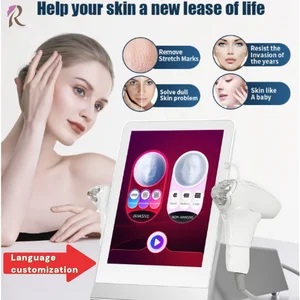
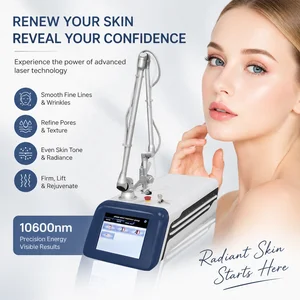
From the bustling tech hubs of Hangzhou to the clinical research centers in Europe, the industry is seeing a massive influx of AI-driven diagnostics and home-use professional-grade lasers. This "democratization of beauty tech" allows consumers to access treatments like CO2 fractional resurfacing and HIFU (High-Intensity Focused Ultrasound) within the comfort of their homes or at local boutique salons, significantly expanding the market reach for exporters.
Market Intelligence
Harnessing big data to predict consumer skincare trends and developing devices that address specific demographic needs in North America and Asia-Pacific.
Compliance Engineering
Navigating the complex landscape of FDA, CE, and ISO 13485 certifications to ensure global market entry without legal friction.
Sustainable MFG
Transitioning to eco-friendly materials (like medical-grade ABS) and energy-efficient production lines to meet the "Green Beauty" mandate.
🏭 Case Study: Hangzhou FMED Beauty Co., Ltd.
Defining Excellence in Aesthetic Device Manufacturing since 2011.
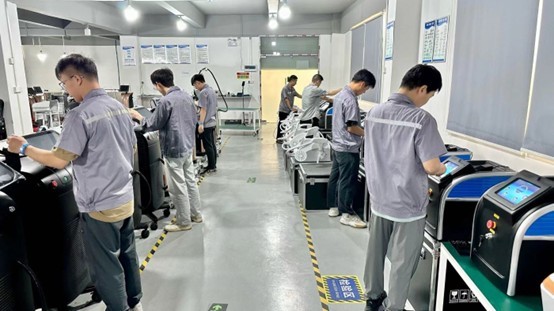
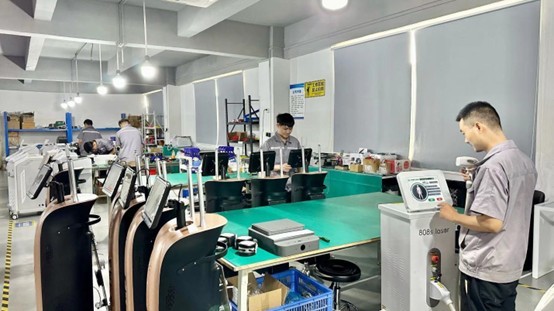
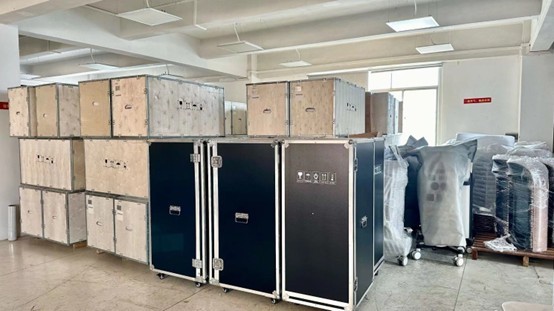
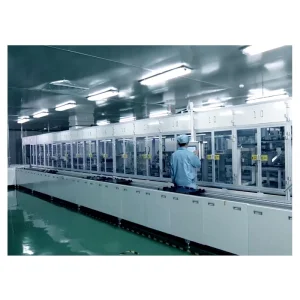
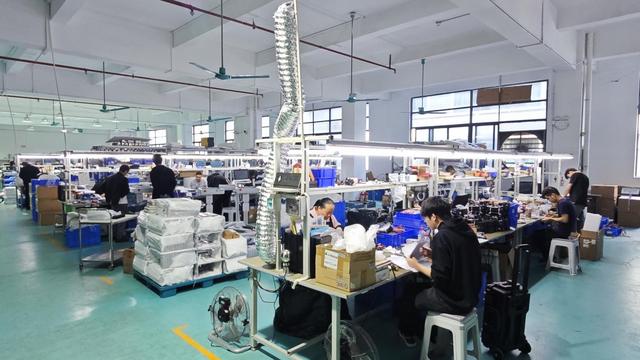
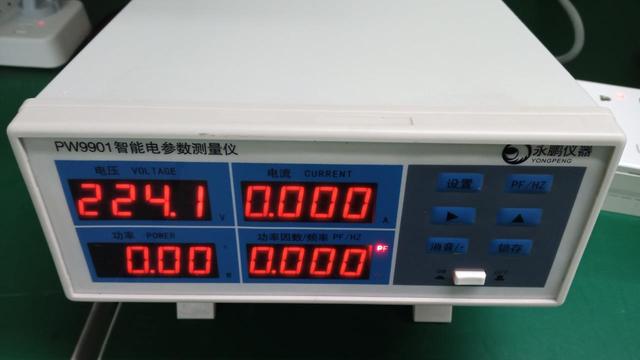
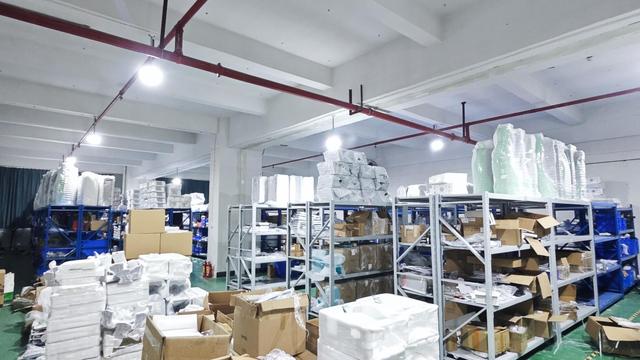
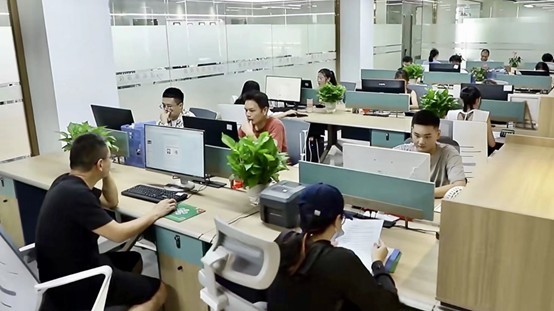
Founded in 2011, Hangzhou FMED Beauty Co., Ltd. stands as a titan in the professional beauty equipment sector. Headquartered in Hangzhou, China—a global nexus for tech innovation—the company operates a sprawling 15,000 square meter modern manufacturing facility. With a dedicated workforce of over 300 professionals, FMED Beauty integrates the entire value chain of Cosmetic Device Development.
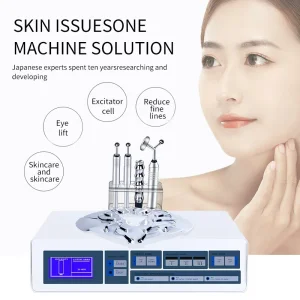
FMED Beauty focuses on the design, development, and production of professional beauty equipment, facial treatment devices, skincare technology systems, aesthetic machines, and spa solutions. By serving a diverse clientele—from clinical dermatologists to international beauty brands—they have established a reputation for manufacturing reliability and technological foresight.
🚀 Technological Roadmap & Future Outlook
The convergence of Medical Science, AI, and Industrial Design.
AI Diagnostic Integration
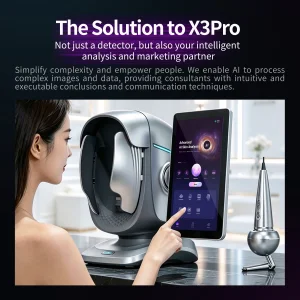
Moving beyond simple imaging to predictive skin modeling. Using neural networks to analyze pigmentation and collagen density in real-time.
Energy-Based Evolution
Development of ultra-compact CO2 fractional lasers and RF (Radio Frequency) modules that maintain clinical power in portable formats.
Modular OEM/ODM
Providing brands with "Lego-style" hardware blocks—allowing for rapid customization of casings, UI, and feature sets with minimal lead times.
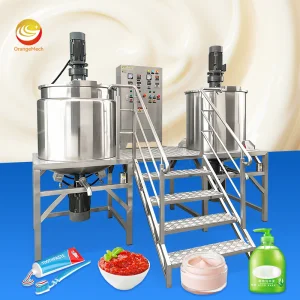
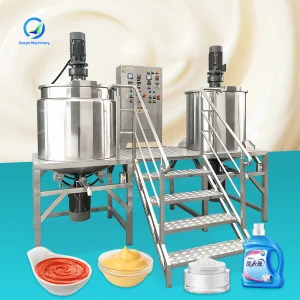
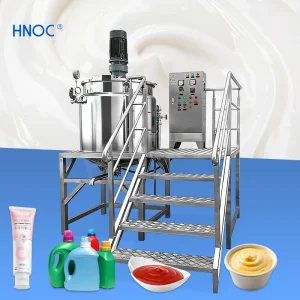
The future of the aesthetic industry lies in Hyper-Personalization. Manufacturers like FMED Beauty are investing heavily in software development, creating companion apps that track treatment progress and adjust device parameters via Bluetooth. Furthermore, the expansion into Small Batch Cosmetic Manufacturing Equipment allows emerging brands to pivot quickly and test market-fit without massive capital expenditure.
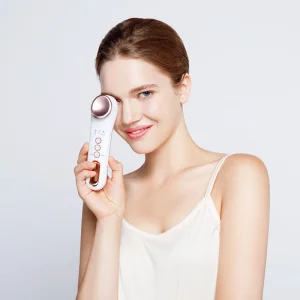
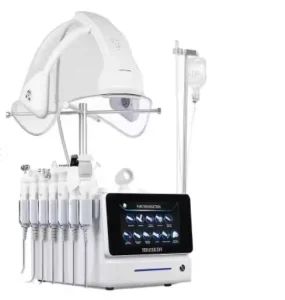
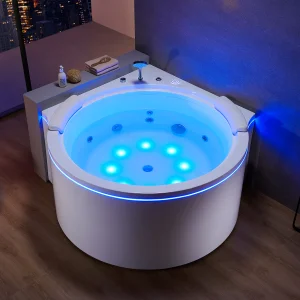
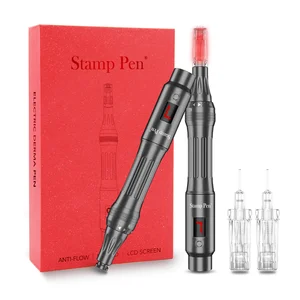
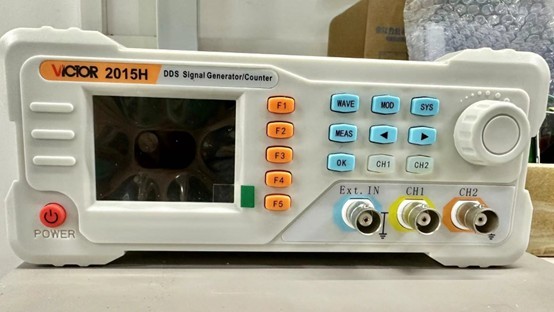
The company’s R&D team integrates electronic engineering, industrial design, and clinical testing into a seamless loop, ensuring that every product—from a microneedling pen to a complex hydro-massage system—meets the rigorous demands of the global export market.
🛡️ Localization, Compliance & Global Support
How top exporters bridge the gap between Asian manufacturing and Western standards.
For an importer or distributor, the primary challenge is not just finding a product, but finding a reliable ecosystem. High-tier exporters provide:
- Regulatory Documentation: Providing full technical files for CE, RoHS, and FDA registration.
- Localized UI/UX: Translating software and instruction manuals into 20+ languages to ensure end-user safety.
- After-Sales Infrastructure: Global replacement part shipping and video-based technical training for local technicians.
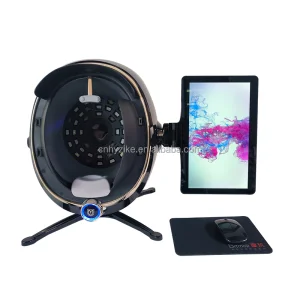
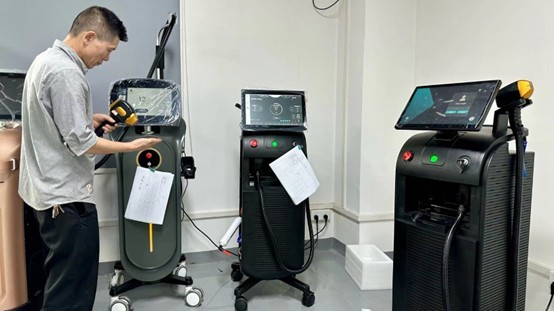
By implementing strict quality control procedures—from component sourcing to final calibration—factories like FMED ensure that the "Made in China" label represents precision and high-end engineering. This is critical for high-stakes devices like the Moji AI Magic Mirror or professional LED HIFU systems.
❓ Frequently Asked Questions (FAQ)
Expert insights into cosmetic device sourcing and development.
What are the key factors in choosing a cosmetic device factory?
Look for R&D depth, ISO certification, and a proven track record of exporting to your target region. A factory like FMED Beauty, with 15,000㎡ of space and 300+ staff, offers the stability required for long-term partnerships.
How does OEM/ODM customization work for beauty machines?
The process typically involves industrial design (ID), structural design (MD), PCB development, and software UI customization. Top factories provide a turnkey solution from initial sketch to mass production.
Are home-use laser devices as effective as clinic models?
While clinic models have higher power outputs, modern home-use CO2 lasers and HIFU devices are engineered with safety buffers that allow for cumulative results over multiple sessions, making them highly effective for maintenance.
What is the lead time for small batch manufacturing equipment?
Small batch equipment, such as the ORME or OCEAN series, is designed for agility. Lead times typically range from 15 to 30 days, depending on the level of customization required for the production line.
✨ Featured Aesthetic Solutions