Innovative Aesthetic Systems Portfolio
Engineered for professional clinics, beauty centers, and retail markets globally.

The Evolution of Smart Beauty Technology & Aesthetic Sourcing
The global aesthetic market is undergoing a seismic shift from standard mechanical treatment systems to intelligent, data-driven, and highly personalized skincare ecosystems. Modern aesthetic buyers—ranging from multi-site clinical spas to international medical-grade device distributors—require solutions that merge high energy efficiency, precise diagnostic analytics, and modular custom manufacturing.
By leveraging cloud connectivity, AI-driven dermatological scanning, and medical-grade precision delivery systems (such as high-intensity focused ultrasound, non-invasive radiofrequency, and micro-needling depth-controllers), contemporary developers are setting a new baseline for treatment efficiency and safety. The primary challenge lies in bridging the gap between innovative concept design and industrial-scale manufacturing stability.
Comprehensive Manufacturer Profile: Hangzhou FMED Beauty Co., Ltd.
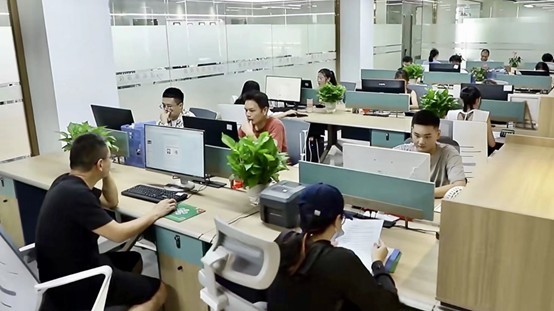
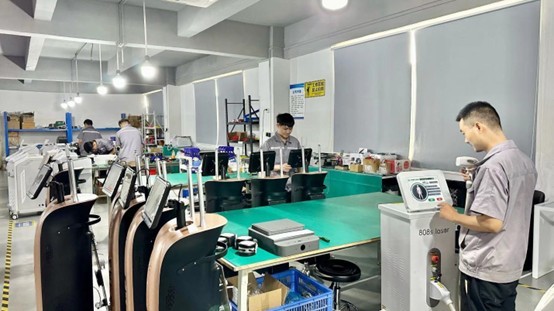
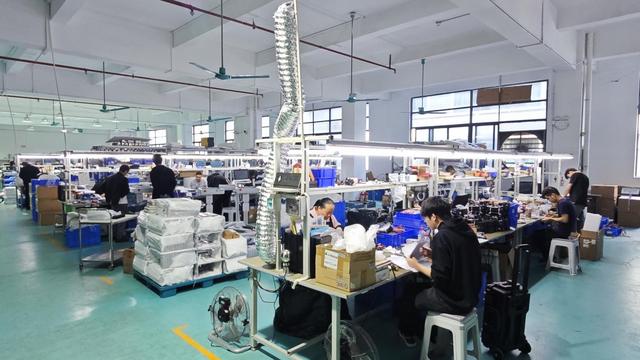
Founded in 2011, Hangzhou FMED Beauty Co., Ltd. is a leading professional manufacturer specializing in advanced facial systems, aesthetic wellness equipment, and custom skin-treatment solutions for the global beauty, spa, and medical-clinic sectors. Headquartered in Hangzhou, China, the company operates a state-of-the-art manufacturing plant covering approximately 15,000 square meters. The enterprise maintains an integrated organizational structure comprising research and development, mechanical design, software architecture, quality compliance, and international customer relations.
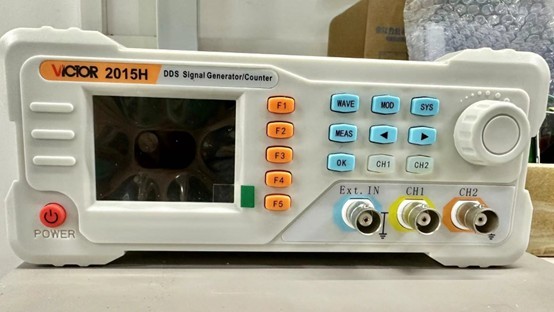
Our strategic manufacturing model seamlessly integrates electronic assembly, optical calibration, CNC machining, dynamic thermal-sensing, and multi-stage testing into our core production workflows. Our commitment to continuous development enables us to consistently optimize mechanical output, improve graphical user interfaces (GUI), and secure global regulatory conformity across diverse international markets.
Advanced Design & Prototyping
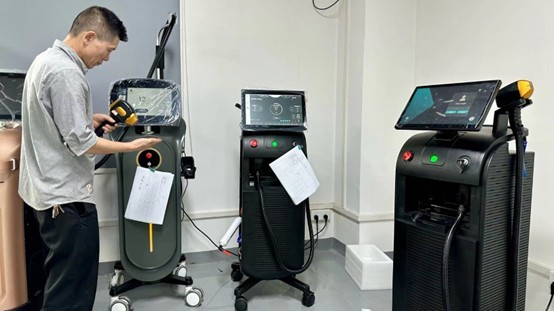
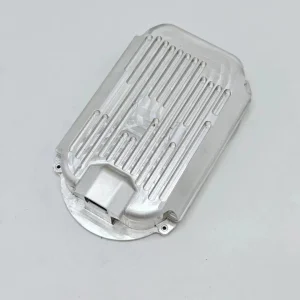
Industrial designers and structural engineers coordinate with our firmware team to create ergonomic, durable, and thermal-balanced chassis designs using specialized CNC machining systems.
Strict QA/QC Protocols
Comprehensive validation programs cover incoming component checks, high-pot testing, continuous temperature monitoring, and final aesthetic and functional inspections.
Global SCM Integrity
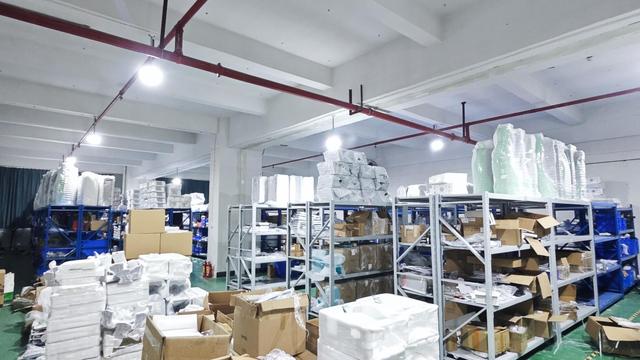
Vertical supply chain coordination ensures constant component availability, reducing lead times and ensuring consistent technical compliance for large ODM orders.
China Factory Advantages in the Global Beauty Tech Ecosystem
Sourcing beauty technology directly from Chinese manufacturers offers clear advantages for distributors and clinical brands. China's integrated industrial hubs allow developers to combine multiple technology types—such as optical imaging, laser systems, microcurrents, and mechanical design—into single platforms, streamlining the manufacturing process.
Key advantages of FMED's China-based production facility include:
- Advanced CNC Machining & Custom Mold Injection: Enables rapid prototyping and customization of outer casings, internal support brackets, and handpiece assemblies to match brand aesthetics.
- Integrated Electronics & Firmware Development: In-house printed circuit board (PCB) design ensures stable electrical current management, high efficiency, and clean UI navigation.
- Cost-Efficient Component Sourcing: Direct access to trusted local optical lenses, medical-grade pumps, vacuum motors, and LED panels ensures competitive product costs without compromising performance.
- Comprehensive Regulatory Alignment: Streamlines the compliance process for major markets, including CE, RoHS, and FCC certifications, ensuring smooth global distribution.
Key Industry Development Trends
A technical roadmap detailing the transition toward smarter, more effective aesthetic solutions.
1. AI-Driven Scalp & Skin Analysis
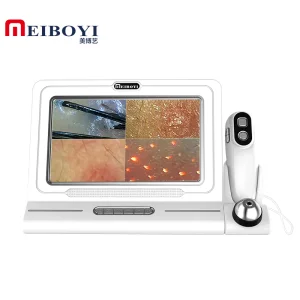
Modern diagnostics are moving beyond simple optical magnification. By integrating AI-driven analysis software with high-definition digital microscopy scanners, systems can detect subtle dermal abnormalities, measure sebum levels, map melanin distribution, and evaluate hair follicle density. This technology allows practitioners to track skin health over time, building client trust through clear, data-supported progress reports.
2. Combined Multi-Modal Energy Systems
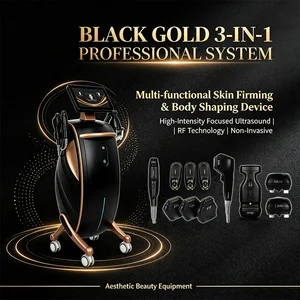
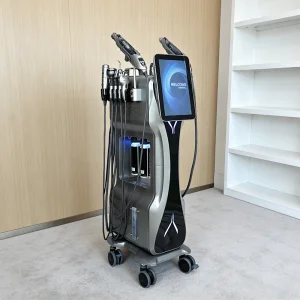
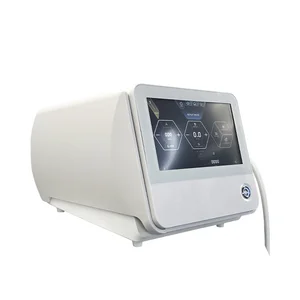
Single-function platforms are increasingly being replaced by multi-functional systems. Combining modalities like HIFU (High-Intensity Focused Ultrasound), monopolar RF (Radiofrequency), and mechanical dermabrasion into a single device allows practitioners to offer layered, customizable treatments. These combined systems target different skin depths in a single session, improving skin tightness and texture while optimizing room utility in clinical settings.
3. High-Viscosity Formulation Technology
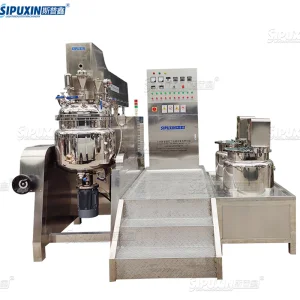
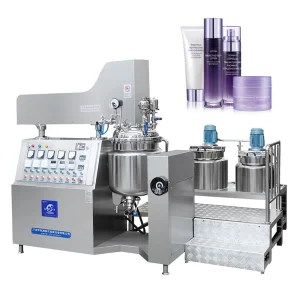
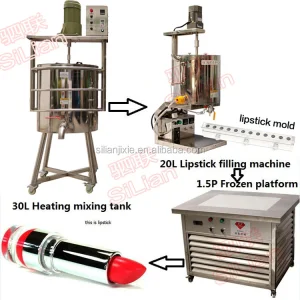
The demand for active-ingredient skincare products has driven advances in industrial mixing technology. Modern cosmetic production lines require vacuum emulsifying mixers and homogenizers capable of stabilizing complex formulas. Precise control over vacuum pressures, temperature zones, and shear speeds is essential to prevent ingredient separation and ensure consistent product quality across production runs.
Practical Application Scenarios & Device Integration
Aesthetic technology must adapt to various settings, from high-throughput retail spas to clinical environments. Understanding these specific application scenarios ensures proper equipment selection, power configurations, and user interface customization:
Med-Spas & Aesthetic Clinics
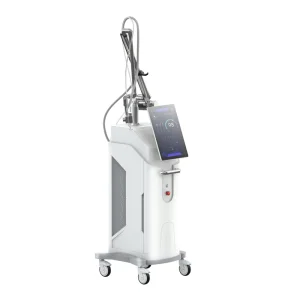
Requires high-power devices capable of consistent performance during back-to-back treatments. Recommended systems include CO2 fractional lasers, multi-point RF skin tightening platforms, and high-flow microdermabrasion units with integrated skin cooling mechanisms.
Wellness Centers & Day Spas
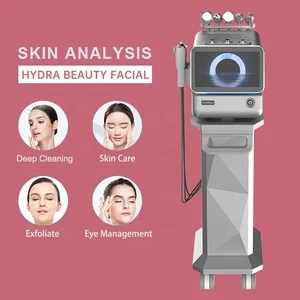
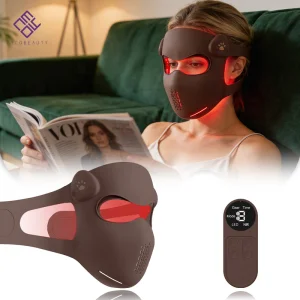
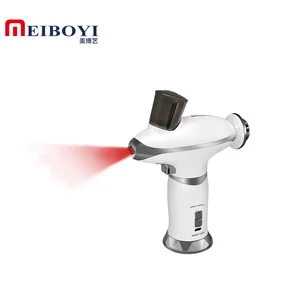
Focuses on non-invasive rejuvenation, skin hydration, and relaxation therapies. Hydro-oxygen infusion devices, low-level light therapy (LLLT) silicone facial masks, and high-frequency mist sprayers are ideal for these environments.
Modern Home-Use Ecosystems
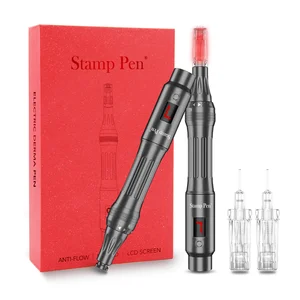
Requires compact, safe, and easy-to-use devices for home care. Handheld scalp scanners with Bluetooth app connectivity, rechargeable microneedling pens, and lightweight LED face shields allow users to maintain professional treatment results at home.
Skincare Manufacturing & R&D
Utilizes professional production equipment to formulate, mix, and package skincare products. Vacuum homogenizing systems, high-speed emulsifiers, and automated glass containers ensure precise chemical processing from lab scale to full production.
Macro Industry Solutions for Global Procurement
For large-scale distributors, clinic networks, and private label brands, purchasing aesthetic hardware involves more than choosing individual products. Success requires complete solutions that address equipment compatibility, training, branding, and regulatory compliance.
Hangzhou FMED Beauty Co., Ltd. provides comprehensive end-to-end industrial services:
- Complete OEM/ODM Customization: We offer custom product design, PCB development, UI localization, and structural engineering to align devices with your brand identity and market requirements.
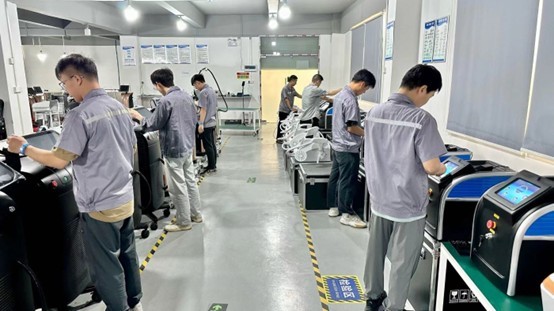
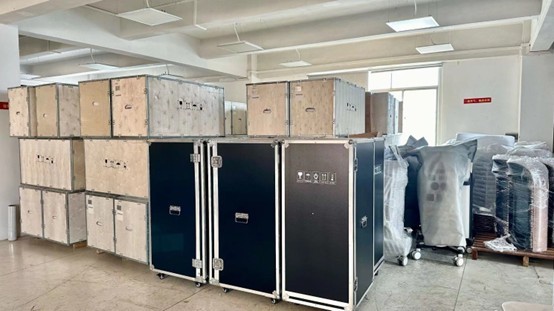
- Optimized Manufacturing & Assembly Lines: Our production facilities are equipped to handle large-scale runs for international distribution networks, ensuring stable product consistency and reliable shipping schedules.
- Technical Integration Assistance: We provide detailed API documentation, communication protocol guides, and hardware integration support for platforms requiring connected software ecosystems.
- Custom Packaging & Brand Development: Professional packaging designs, custom glass skincare containers, and illuminated clinic signage help establish a consistent brand presence.
Global Enterprise Procurement Sourcing Checklist
When sourcing aesthetic equipment from overseas manufacturers, professional buyers should evaluate key technical and operational checkpoints to ensure product quality and long-term reliability:
1. Component Quality & Origin
Verify the manufacturer uses reliable internal components, including stable vacuum pumps, medical-grade power supplies, and certified laser diodes. Quality components are essential for device longevity and user safety.
2. Electrical Safety Compliance
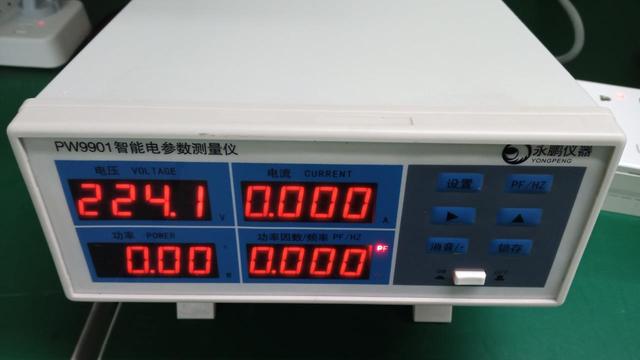
Ensure devices comply with international electrical standards. Ask for test reports covering Electromagnetic Compatibility (EMC), Low Voltage Directives (LVD), and standard safety certifications.
3. Scalable OEM/ODM Capability
Confirm the factory can support custom modifications, from simple brand logo application and custom color schemes to fully bespoke shell designs and specialized firmware configurations.
Frequently Asked Questions (FAQ)
Technical and regulatory insights for professional aesthetic equipment buyers.
Specialized Production & Aesthetic Hardware
Industrial machinery, advanced laser systems, and custom packaging lines.


Industrial Operations & Facility Gallery
Inside Hangzhou FMED Beauty Co., Ltd.: Documenting our CNC production systems, ISO-compliant assembly areas, and cleanroom packaging facilities.