
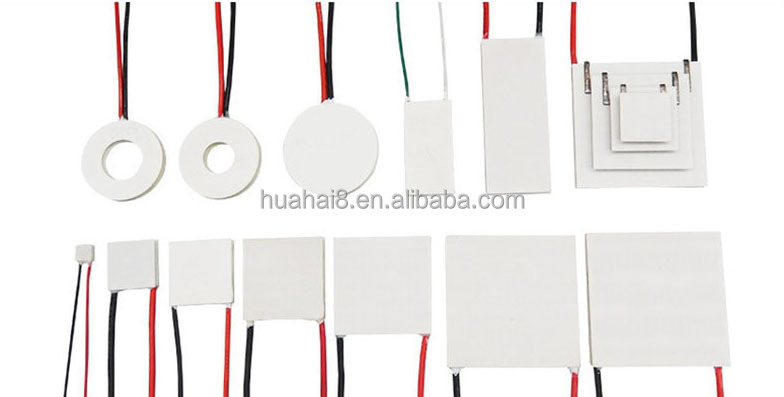
1 / 5
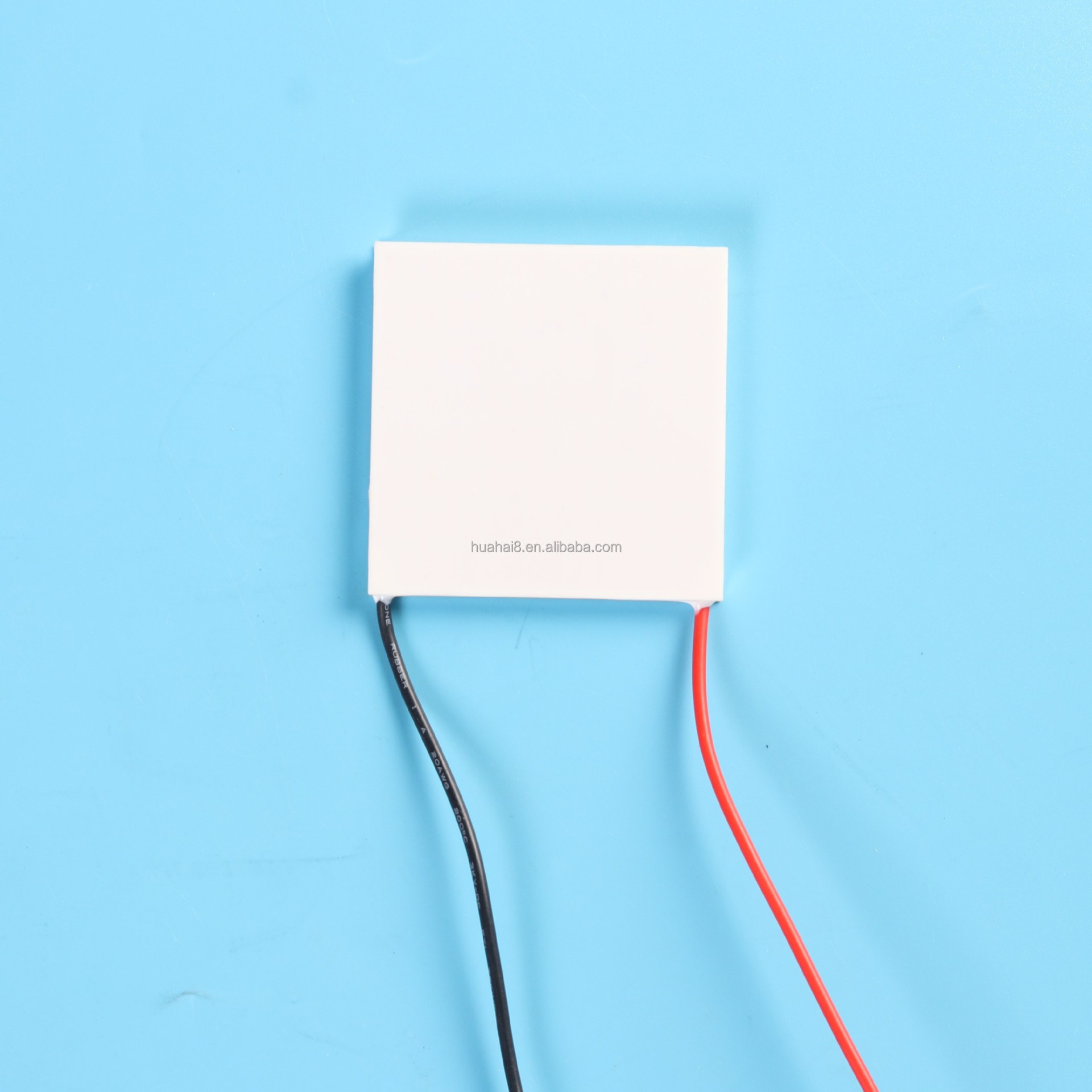
Principle: Utilizes the Peltier effect of semiconductor materials to directly convert electrical energy into heating and cooling through current flow.
Uses: Precise temperature control, no mechanical moving parts, silent operation.
Applications: Medical equipment, Laser cooling, Car refrigerators.
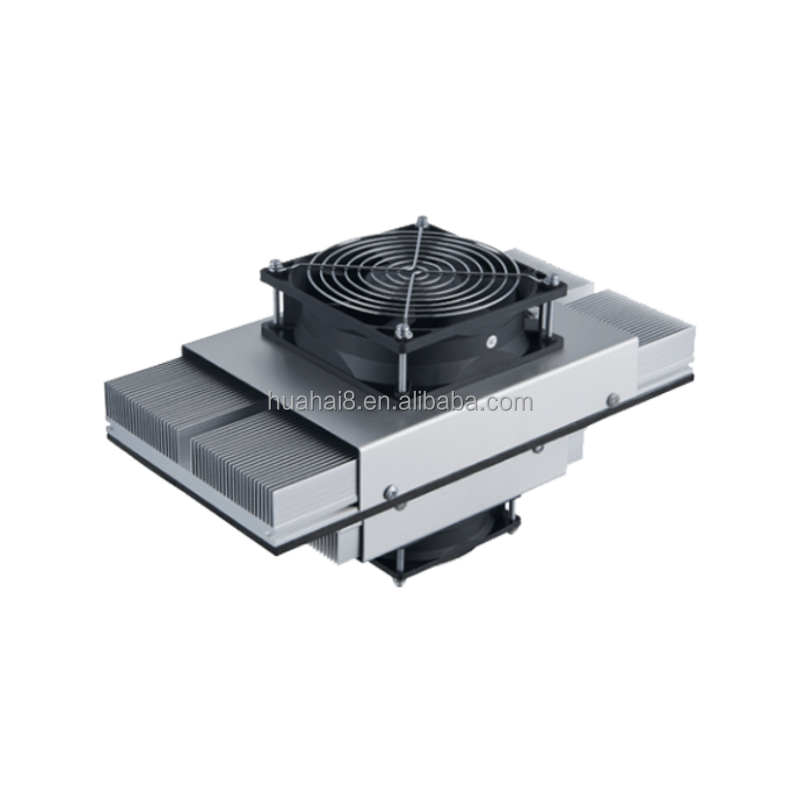
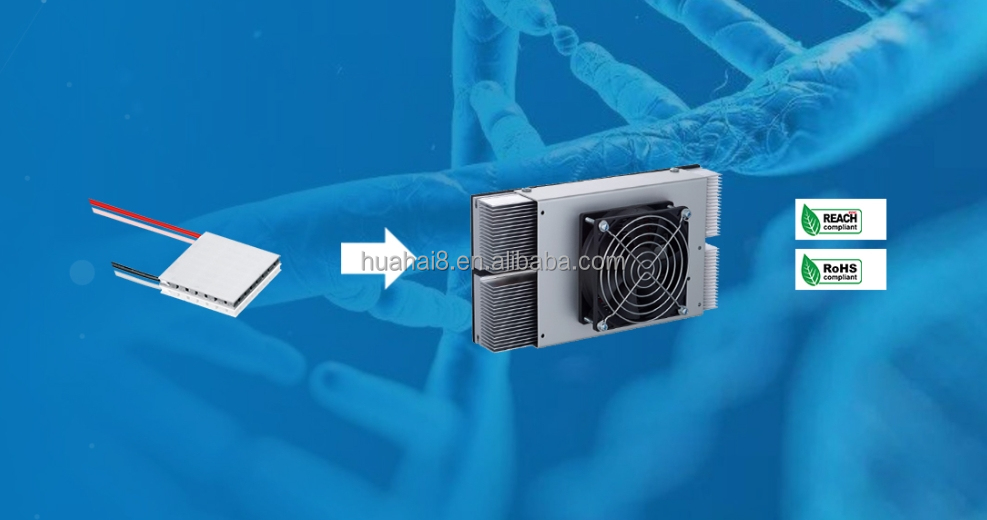
Essence: A complete temperature control system built on TEC modules, including heat sinks, fans, and control circuits.
Advantages: Compact size, refrigerant-free, environmentally friendly.
Applications: Industrial equipment cooling, Consumer electronics, Laboratory devices.
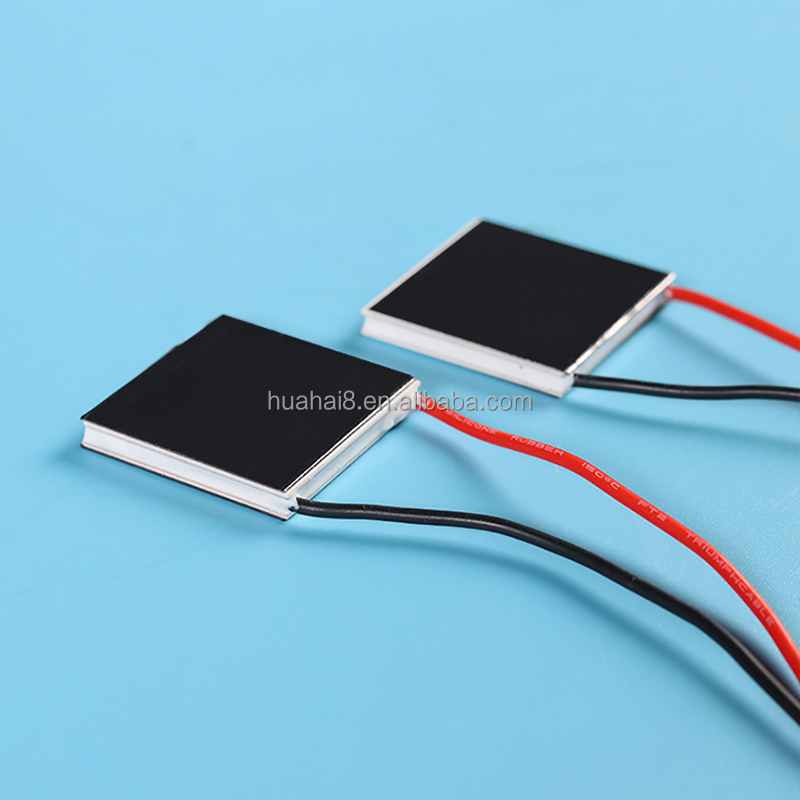
Principle: Utilizes the Seebeck effect to directly convert temperature differences into electrical energy.
Uses: Waste heat recovery, off-grid power supply.
Applications: Automobile exhaust heat, Industrial boilers, Self-powered IoT sensors.
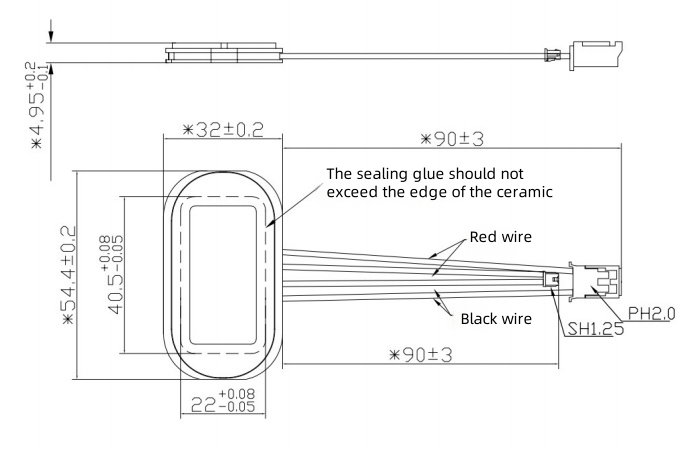
| Parameter Item | Th 27℃ | Th 50℃ | Test Condition / Description |
|---|---|---|---|
| DTmax (℃) | 58 | 65 | Maximum temperature difference (DT=0 condition) |
| Umax (Voltage) | 15.5 | 16.6 | Voltage applied at the maximum DT |
| Imax (Amps) | 2.7 | 3.7 | Current passing through at maximum DT |
| QCmax (Watts) | 22.5 | 25.3 | Cooling capacity of cold surface (DT=0) |
| AC Resistance (Ohms) | 5.1 | 5.7 | AC test value |
| Parameter Tolerance | ±10% | Standard manufacturing variance | |
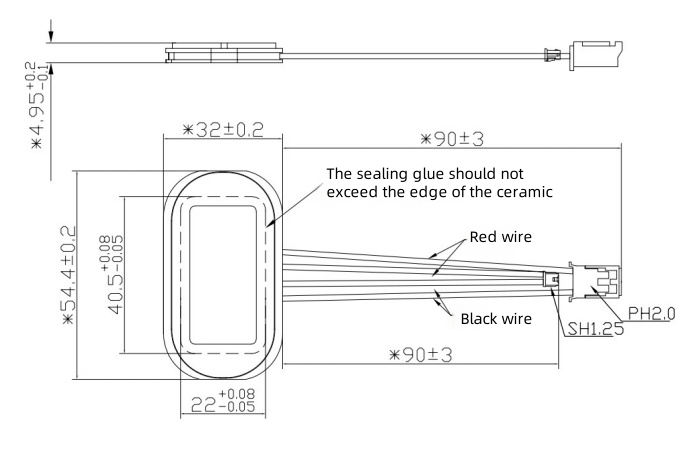
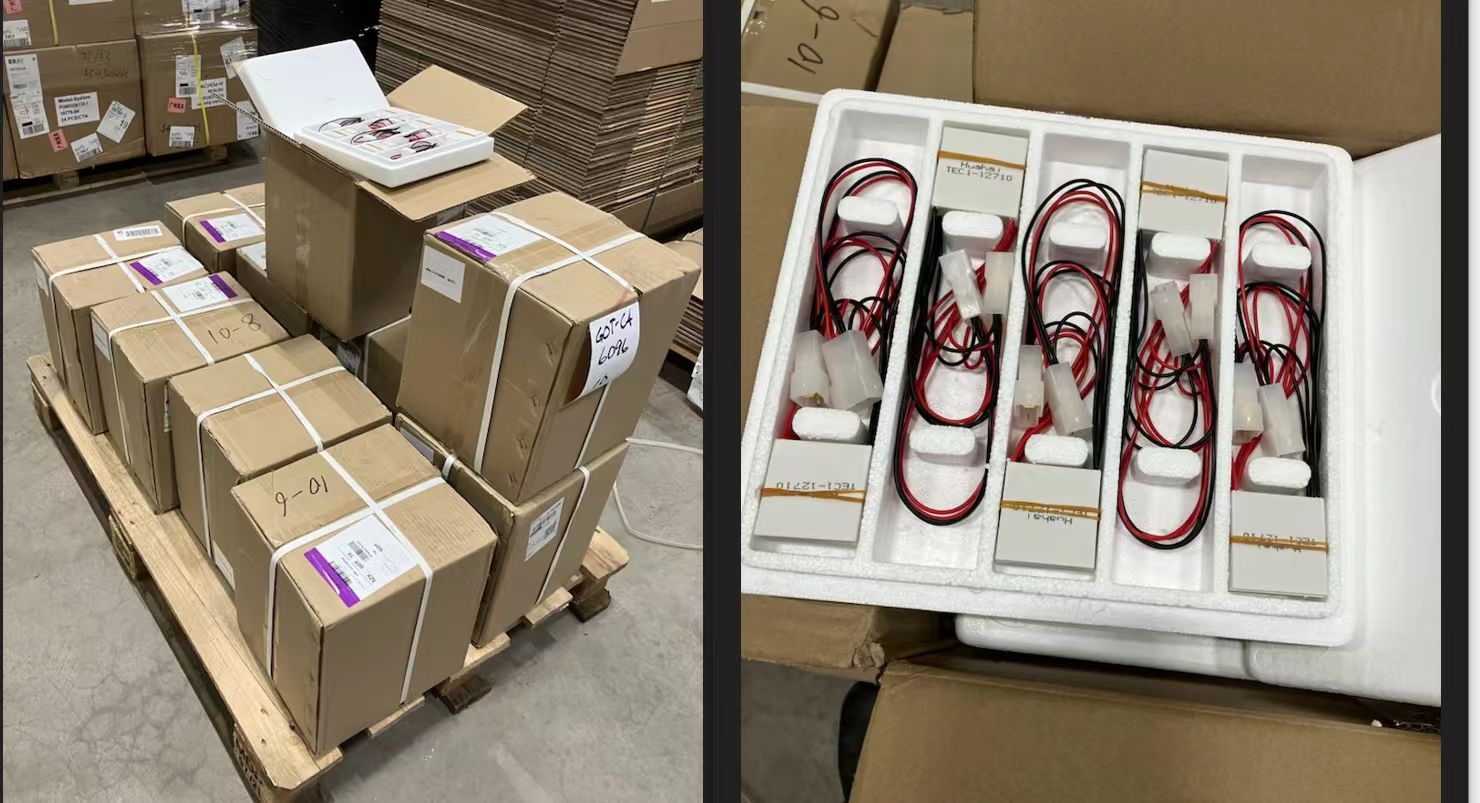

The thermoelectric cooling (TEC), also called the Peltier Effect, is a solid-state method of heat transfer through dissimilar (P-type & N-type) semiconductor materials.
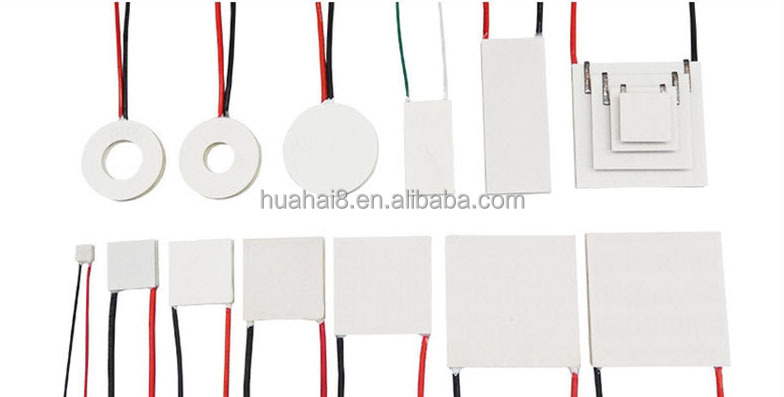
The complete system includes a semiconductor module (P & N semiconductor clamped with two ceramic chips) and an internal/external heat exchanger. High-efficiency, low-noise fans are often fitted to optimize energy efficiency.
During operation, direct current causes heat to be transferred from the endothermic joint, resulting in an ideal cooling compartment for sensitive electronics or medical storage.