Premium Aesthetic Systems
State-of-the-art clinical devices designed for professional cosmetic applications across Hamburg's premier skincare institutions.
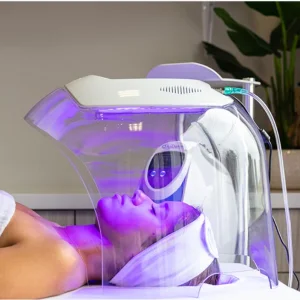
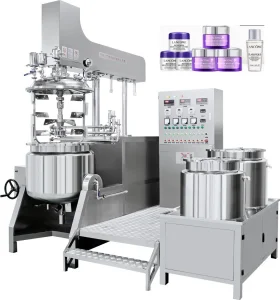
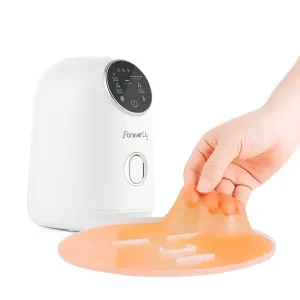
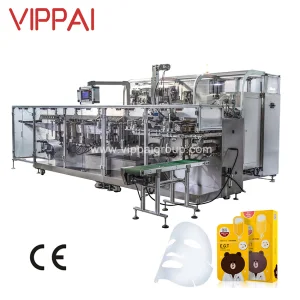
The Hamburg Skincare & Aesthetic Technology Ecosystem
Hamburg, recognized globally as Germany's critical gateway to maritime trade and a premier logistical hub, has evolved into a vital focal point for European skincare innovation and aesthetic medical engineering. The region boasts a highly sophisticated bioscience and cosmetic manufacturing infrastructure, driven by demanding local standards and a dense network of dermatological research centers. The local skincare equipment manufacturing landscape is heavily characterized by precision German engineering, strict quality control (ISO 13485 / MDR compliance), and a growing reliance on intelligent, automated solutions.
As European cosmetic brands and medical spas continuously seek "Information Gain" to satisfy increasingly discerning consumers, the integration of advanced technological routes has become essential. The regional value chain in Hamburg relies on efficient supply chain pathways linking Asian precision component manufacturing with local European compliance, support, and distribution networks. Through the Port of Hamburg, raw material suppliers, packaging system providers, and complex electronics exporters collaborate to deploy high-throughput, energy-efficient skincare devices that conform to both local German safety directives (BfS regulations) and global standards.
"For B2B procurement officers, sourcing skincare manufacturing systems via Hamburg offers strategic geographical and regulatory advantages, ensuring seamless customs handling, rapid compliance verification, and direct access to Northern European clinical markets."
Global Sourcing Requirements & Supply Chain Security
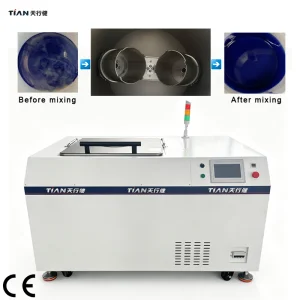
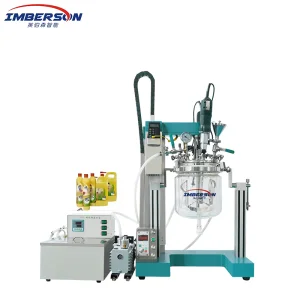
Procuring professional-grade skincare equipment on a global scale demands rigorous attention to technical specification compliance, manufacturing capability, and supply chain continuity. For B2B importers and distributors in Hamburg and the wider EU, ensuring the reliability of critical aesthetic systems is paramount to maintaining salon and clinic operation uptimes. Typical supply chain challenges include mechanical tolerance matching, electromagnetic compatibility (EMC) testing, and consistency in vacuum seal pressure within cosmetic cream mixers.
When choosing an overseas manufacturer, professional buyers prioritize factories that integrate end-to-end quality assurance systems. From raw component sourcing (such as medical-grade 316L stainless steel for cosmetic emulsifiers) to the calibration of optoelectronic sensors in diagnostic devices, every stage of production must be logged and verifiable. This degree of transparency is essential for local compliance verification in Europe, where technical files are audited under the EU MDR and national laws.
- Material Integrity: Usage of SUS304 and SUS316L stainless steel with electropolished surfaces to prevent formula contamination.
- Electronic Reliability: Premium PLC control systems with multi-language HMI interfaces optimized for global salon environments.
- Structural Validation: Rigorous stress testing under extreme pressure and temperature variations to guarantee a long operational lifecycle.
- Logistical Integration: Secure maritime packaging with custom-engineered shock-absorbing crating to ensure undamaged transit to European ports.
Macro Industry Solutions & Technological Roadmap (2025–2030)
The professional aesthetic and cosmetics manufacturing industries are experiencing rapid technological convergence. Standard facial treatment systems are giving way to intelligent, multi-wavelength energy devices, while traditional cosmetic mixing tanks are evolving into automated, closed-loop batch processing plants with AI-guided homogenization controls. Suppliers in this sector must anticipate these changes with a structured, forward-looking product roadmap.
Key technical milestones include the adoption of 3D AI skin analysis software capable of feeding diagnostics directly to automated cream dispensers, and high-frequency, non-invasive transdermal drug delivery systems. Additionally, sustainability has moved from a marketing concept to a core engineering requirement. Energy-efficient heating jackets, water-saving clean-in-place (CIP) systems, and recyclable sheet-mask substrate handling are now standard requirements for European buyers.
2025–2030 Tech Roadmap Focus: IoT-enabled remote diagnostics for aesthetic equipment, real-time viscosity tracking in emulsifying machines, and modular, field-replaceable electronic assemblies to minimize clinical downtime in European facilities.
Hangzhou FMED Beauty Co., Ltd.: Manufacturing Powerhouse
Founded in 2011, Hangzhou FMED Beauty Co., Ltd. is a professional manufacturer specializing in facial machines, beauty equipment, and aesthetic device solutions for the global beauty and personal care industry. Headquartered in Hangzhou, China, the company operates a modern manufacturing facility covering approximately 15,000 square meters and employs more than 300 professionals across research and development, engineering, production, quality management, and international sales departments.
FMED Beauty focuses on the design, development, and production of professional beauty equipment, facial treatment devices, skincare technology systems, aesthetic machines, salon equipment, spa solutions, and customized beauty technology products. The company serves beauty brands, distributors, aesthetic clinics, salons, wellness centers, and equipment importers in international markets, maintaining highly active delivery pipelines to European distribution centers including Hamburg.
Supported by an experienced R&D team and advanced manufacturing capabilities, FMED Beauty integrates electronic engineering, industrial design, software development, and product testing into its production process. The company continuously invests in technological innovation to improve device performance, user experience, operational efficiency, and product reliability.
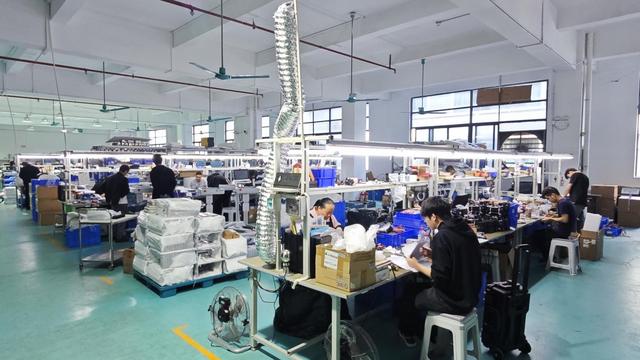
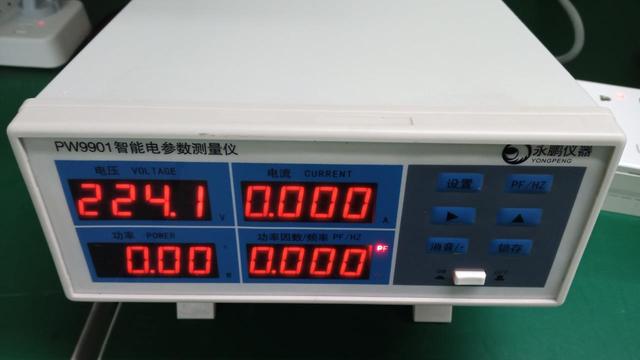
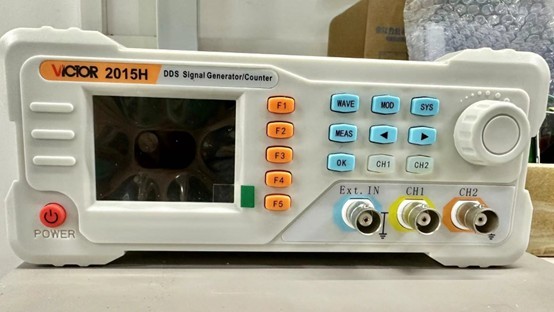
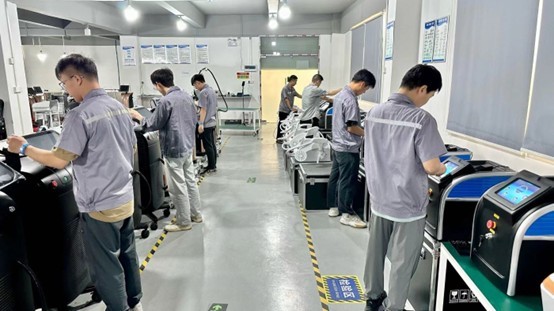
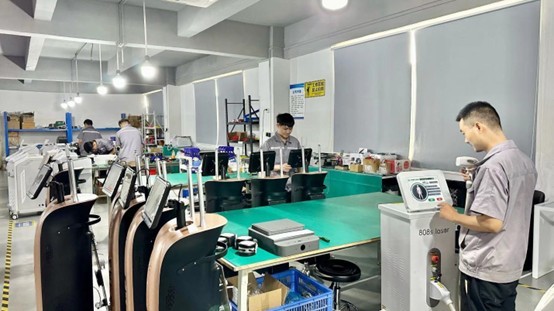
The factory is equipped with modern assembly lines, testing laboratories, quality inspection facilities, and standardized production management systems. Strict quality control procedures are implemented throughout component sourcing, assembly, calibration, testing, packaging, and final inspection to help ensure product consistency and manufacturing standards.
FMED Beauty provides comprehensive OEM and ODM services, including product customization, industrial design support, branding solutions, packaging development, and private-label manufacturing. Flexible production capabilities allow the company to support both emerging brands and established international businesses. Today, Hangzhou FMED Beauty Co., Ltd. exports its products to Europe, North America, the Middle East, Southeast Asia, Australia, and other global markets. Through continuous innovation, manufacturing excellence, and customer-focused service, the company remains committed to delivering professional beauty equipment and aesthetic device solutions that support the evolving needs of the worldwide beauty industry.
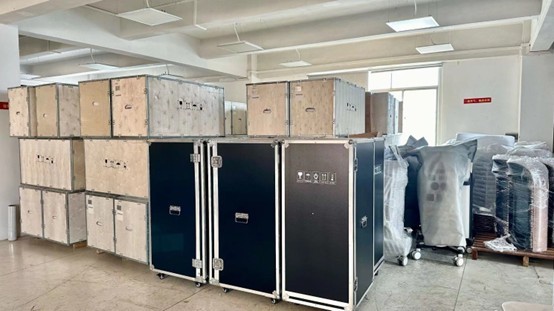
Manufacturing Excellence Gallery
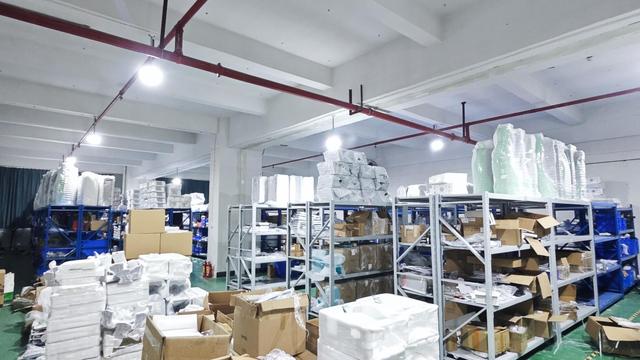
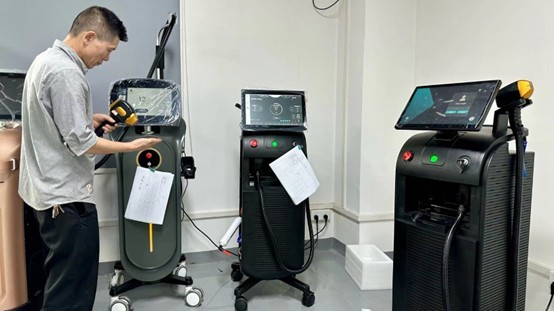
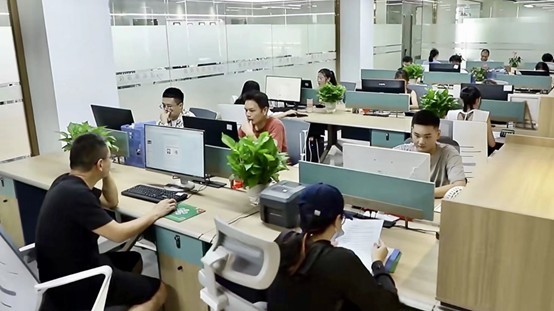
Inside our advanced production facilities: showcasing our strict cleanroom assembly, quality verification, and heavy industrial machinery output.
Compliance, Quality Assurance, and European Market Access
For German importers, navigating localized regulatory frameworks is the single largest hurdle in the skincare equipment supply chain. The regulatory compliance matrix in Germany is notably strict, requiring conformity across multiple areas including electrical safety, electromagnetic compatibility, radiation protection, and biological safety. Any device intended for aesthetic clinics in Hamburg must bear the CE mark, indicating conformity with applicable European directives.
Furthermore, high-intensity devices such as micro-needling, laser, or RF equipment must comply with the EU Medical Device Regulation (MDR 2017/745) if therapeutic claims are made, or the General Product Safety Directive (GPSD) for general cosmetic use. In Germany, operators and distributors must also satisfy the requirements of the NiSV (Ordinance on Protection against Harmful Effects of Non-Ionizing Radiation in Human Applications), which mandates specific device reporting and practitioner training. Our manufacturing protocols include rigorous validation and documentation support (including EMC test reports, LVD certificates, and comprehensive technical files) to ensure smooth registration and auditing processes for European distributors.
Frequently Asked Questions
Key information regarding imports, compliance, customization, and logistical processes for partners in Hamburg and Europe.
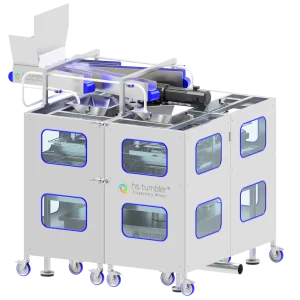
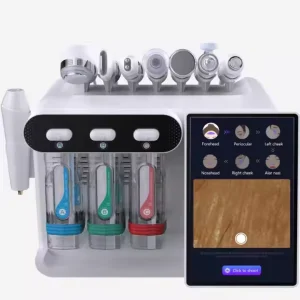
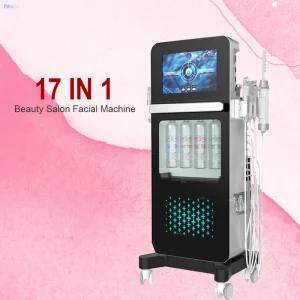
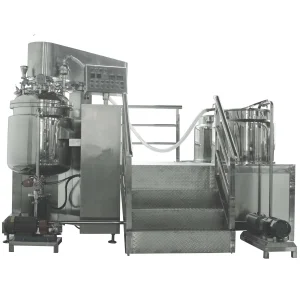
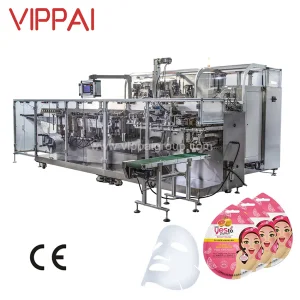
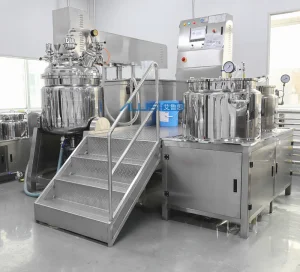
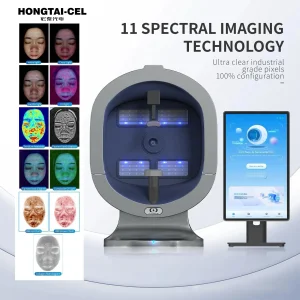
Professional Skincare & Cosmetic Production Catalog
Explore our full range of professional R&D, manufacturing, packaging, and diagnostic solutions built to global standards.


Looking for an Established Manufacturing Partner?
Consult with our lead technical engineers to customize your next clinical facial device, industrial mixing installation, or fully automated sheet mask line.
Send Inquiry Now