The beauty industry faces a growing demand for advanced beauty machines. However, it is crucial to understand what factors affect beauty machine quality. According to a report by the International Journal of Aesthetic Dermatology, machine reliability is paramount in ensuring effective treatments.
Dr. Emily Carter, a leading expert in dermatological technology, states, "Quality in beauty machines is influenced by materials used and technological advancements." Her insights highlight the importance of both design and functionality. Research indicates machines made from high-grade components last longer and perform better in clinical settings.
Moreover, user experience plays a vital role. Devices should be user-friendly and adaptable to different skin types. Industry reports suggest that machines with extensive testing and certification standards tend to yield better results. Overall, understanding what factors affect beauty machine quality is essential for practitioners and clients alike.
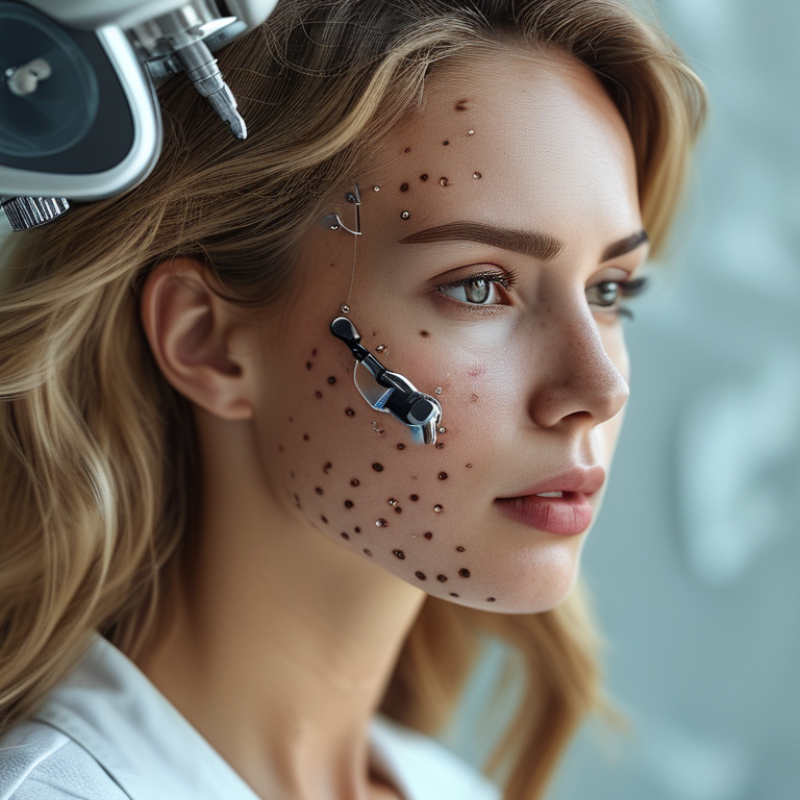
When it comes to beauty machines, design and technology play crucial roles.
The aesthetics of a device can significantly impact user experience.
Research shows that over 70% of users prefer machines that are visually appealing and intuitive.
This highlights the importance of user interface design.
If a machine looks outdated or is hard to use, it may discourage potential clients.
The technology behind these devices is equally important.
According to industry data, over 80% of consumers prioritize efficacy when choosing beauty machines.
Machines that utilize advanced technology, such as RF or LED, often provide better results.
However, the pace of innovation can also pose challenges.
Many manufacturers struggle to keep up with rapid advancements.
This can lead to products that fail to meet modern standards or consumer expectations.
Moreover, safety and reliability must not be overlooked.
A 2022 report indicated that consumer trust is vital for brand loyalty.
Machines with a history of safety concerns or unreliability can damage a brand's reputation.
Continuous quality checks and adherence to regulatory standards are essential but often neglected.
Balancing innovation with user safety is a challenge that requires ongoing reflection and improvement in the industry.
When considering the quality of beauty machines, the materials used in their construction play a crucial role. High-grade materials enhance durability and effectiveness. For instance, stainless steel is preferred for its resistance to corrosion, ensuring longevity in various environments. Conversely, cheaper plastics may compromise hygiene and safety, leading to undesirable outcomes.
Tip: Always check the material specifications before making a purchase. Look for machines made from FDA-approved materials to guarantee safety.
Additionally, the choice of materials affects the machine's performance. For example, advanced ceramics can provide better results in certain beauty treatments. However, not all manufacturers prioritize quality materials, which can lead to inconsistent results. This inconsistency can frustrate users and lead to a lack of trust in the product.
Tip: Research user reviews and certifications. Feedback from experienced users can provide insight into a machine's material quality and overall performance.
When discussing beauty machines, regulatory standards and safety compliance play a crucial role in determining their quality. These standards ensure that devices are safe to use and effective in delivering desired results. Compliance with safety regulations helps prevent accidents and injuries. Especially in a field like beauty, where clients often desire visible results, rigorous standards are vital.
Tips for evaluating beauty machines include checking for certifications. Look for devices that comply with recognized safety guidelines. Also, be aware of the documentation provided. A reputable manufacturer should include clear instructions and safety measures. It’s important to seek clarity on any limitations and potential risks associated with the machine's use.
Not all beauty devices meet the same quality standards. Sometimes, manufacturers cut corners to reduce costs. This can impact both the safety and efficacy of their products. Users should remain vigilant and consider feedback from trained professionals in the industry. Such insights can reveal potential flaws and issues that may not be immediately obvious. Ultimately, awareness and diligence can lead to safer and more effective choices in beauty equipment.
User experience plays a pivotal role in the effectiveness of beauty machines. Ergonomics is essential for user satisfaction and overall effectiveness. According to a 2022 report from the International Journal of Aesthetic and Cosmetic Science, machines designed with user comfort in mind see a 30% increase in positive feedback. Comfort affects how often users will return for treatments. Discomfort can deter clients, even if results are satisfactory.
Another aspect is intuitive design. Machines that are complex can frustrate users, reducing their willingness to use them. A 2021 survey indicated that 65% of users preferred simple interfaces over complicated ones. This highlights a need for manufacturers to prioritize user-friendly features. It's easy to overlook how design affects user experience, leading to potential setbacks in the machine's effectiveness.
However, not all machines meet these standards. Some devices still prioritize advanced technology over user comfort. Reports show that this imbalance can lead to a 20% decrease in user trust. Machines should not just be effective; they must also be approachable and easy to use. Industry professionals must reflect on these factors to improve outcomes for their clients.
Maintenance is crucial for the longevity of beauty machines. Regular cleaning prevents buildup of residue. This also enhances machine efficiency. Proper usage according to guidelines is essential. Using machines incorrectly can lead to malfunctions. Users should be trained thoroughly for optimal results.
Quality assurance involves rigorous checks. Ensuring that machines meet safety standards is vital. Inspecting for wear and tear is equally important. Even with regular maintenance, parts may degrade over time. It's a reminder that no machine is perfect. Scheduled evaluations help identify potential issues early.
Investing in quality tools pays off. However, users should remain vigilant. Relying solely on warranties can lead to disappointment. Understanding how to maintain equipment is an ongoing learning process. Machinery requires more than just initial care. It's about fostering a long-term relationship with your tools.
| Factor | Description | Impact on Quality | Maintenance Frequency |
|---|---|---|---|
| Material Quality | The type of materials used to manufacture the machine, including durability and safety. | High-quality materials lead to better durability and effectiveness. | Annually |
| Technology Used | The incorporation of the latest technological advancements in the machines. | Advanced technology enhances performance and customer satisfaction. | Every 6 months |
| User Training | Training provided to operators on how to use the machines effectively. | Proper training improves the effectiveness and safety of machine usage. | As needed |
| Maintenance Regimen | Scheduled inspections and maintenance checks on beauty machines. | Regular maintenance prolongs the machine's lifespan and reliability. | Quarterly |
| Quality Assurance Standards | Compliance with industry standards and certifications. | Adherence to standards ensures safety and effectiveness. | Annually |
: Design factors include aesthetics, user interface, and ergonomics. Users prefer visually appealing machines.
A good user experience increases satisfaction. Discomfort may deter clients from returning for treatments.
Consumers prioritize efficacy. Advanced technology often yields better results, but innovation can be challenging for manufacturers.
Safety is crucial for consumer trust and brand loyalty. Machines with safety concerns can harm reputations.
Regular maintenance is key for longevity. Proper usage and cleaning enhance performance and prevent malfunctions.
Not all machines prioritize comfort. Some focus too much on technology, leading to frustrated users and a decrease in trust.
Quality checks ensure compliance with safety standards. Regular inspections help identify wear and tear early.
Users should receive thorough training. Understanding proper usage contributes to better results and fewer issues.
Parts can degrade despite regular care. Scheduled evaluations are necessary to address potential problems proactively.
Quality machines often lead to better results. However, users must also learn to maintain them for long-term effectiveness.
The quality of beauty machines is influenced by several key factors that shape their design, technology, and overall effectiveness. First, the materials used in the construction of these machines play a significant role in determining their durability and performance. High-quality materials can enhance functionality while ensuring user safety and compliance with regulatory standards. Additionally, the user experience and ergonomic design greatly affect the effectiveness of beauty machines, as they ensure comfort and ease of use for various applications.
Maintenance and longevity also contribute to the overall quality of beauty machines, as regular upkeep can prolong their lifespan and ensure consistent performance. By understanding what factors affect beauty machine quality, manufacturers and users alike can make informed decisions that enhance the reliability and effectiveness of these devices in beauty treatments.
