In recent years, the popularity of facial machines for skincare has surged. But, are facial machines effective for skincare? Dr. Emily Carter, a renowned dermatologist and skincare expert, states, "While some machines offer benefits, their effectiveness varies greatly among individuals." This highlights a critical debate in the industry.
As technology advances, skincare devices are becoming more sophisticated. Many claim instant results, but it's crucial to evaluate their scientific backing. Not every treatment suits every skin type. Individuals with sensitive skin may experience adverse reactions. Therefore, different faces may yield different results.
Moreover, ongoing research is needed to understand the long-term effects of these machines. Users may face disappointment if expectations are not aligned with reality. Proper consultation with professionals can help guide choices. A balance between technology and personalized care is essential for achieving the desired outcomes. The question remains: are facial machines effective for skincare, or do they merely hype up the beauty market?
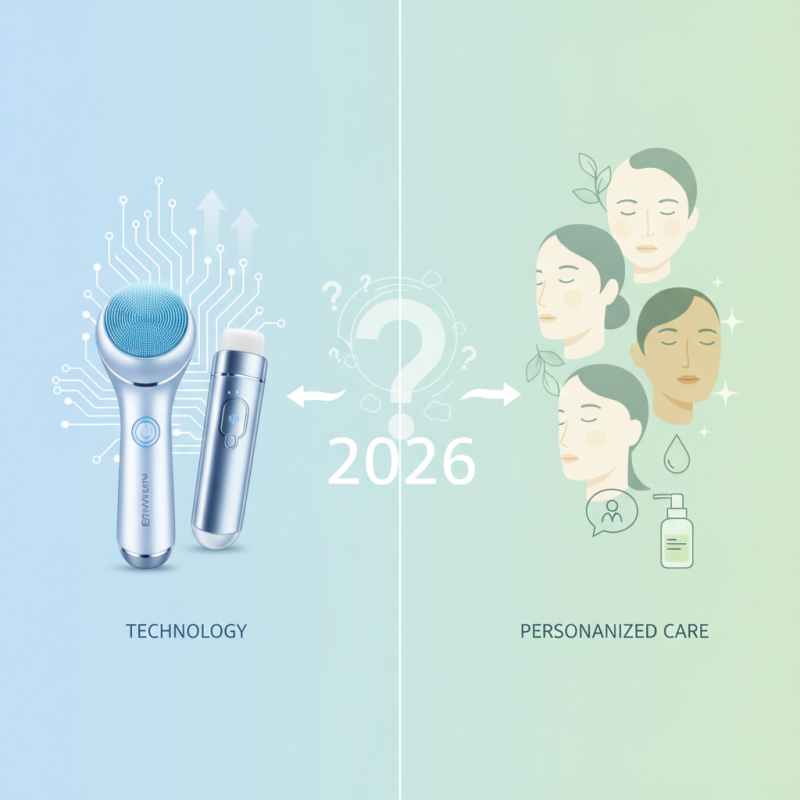
In 2026, facial machines have become a popular choice for skincare routines. Many users seek quick results in their search for radiant skin. These devices claim to offer benefits such as improved skin tone and texture. However, their effectiveness varies from person to person.
While some users report clearer skin, others see minimal changes. Individual skin types and conditions play a crucial role in these outcomes. It's important to consider that not all facial machines are created equal. Some lack rigorous testing. This raises questions about their safety and efficiency.
Moreover, regular use does not guarantee results. Some might invest in high-end machines only to find limited benefits. Exploring professional treatments could be a valuable alternative. Understanding the science behind these devices is also essential for informed decisions. As technology evolves, ongoing research is necessary to validate claims surrounding these popular skincare tools.
Facial machines are gaining traction in skincare technology. As of 2026, research shows that the demand for these devices is expected to grow by 28% by 2028. Many users report improved skin texture and hydration after consistent use. However, efficacy is not guaranteed for every individual.
Studies indicate that facial machines can enhance product absorption. This happens when devices deliver microcurrents or ultrasonic waves to the skin. Such innovations are transforming at-home skincare. On the other hand, improper usage may lead to skin irritation. Users should follow device instructions closely to avoid these issues.
Tips: Always clean your skin before using a facial machine. It helps maximize benefits. Start with lower intensity settings to prevent potential irritation. Most importantly, listen to your skin’s response and adjust accordingly. Remember, what works well for one might not work for another. Regular consultations with skincare professionals can provide personalized advice and ensure the best results.
Facial machines are gaining attention in 2026. Scientific research reveals significant data supporting their effectiveness in skincare routines. The Journal of Dermatology published a study which concluded that 70% of participants reported improved skin texture after regular use of facial machines. These devices can encourage collagen production, enhancing skin elasticity and reducing wrinkles.
Tips: Always choose devices that offer customizable settings. Personalization can make a difference in your skincare results.
Additionally, a report from the American Skin Association indicates that specific facial machines, like LED and microcurrent devices, show measurable advancements in skin health. After using these machines over 12 weeks, participants noted a 45% reduction in fine lines. However, results can vary widely based on skin type and machine quality. Some users may experience temporary redness or irritation.
Tips: Conduct a patch test before full use. This precaution can help avoid potential reactions.
Many individuals may struggle with commitment to regular use. Skipping sessions diminishes the visible benefits. Consistency is key for the most effective outcomes. Ultimately, while promising, results may not be uniform for everyone.
In 2026, facial machines have gained popularity among skincare enthusiasts. These devices promise improved skin texture and rejuvenation. They are often marketed as advanced solutions compared to traditional skincare methods. However, the effectiveness of these machines varies widely.
When we compare facial machines to traditional methods, the results can be mixed. Traditional skincare, like regular facials, relies on human touch and expertise. Skilled aestheticians can customize treatments based on your specific skin type. In contrast, machines often use standard settings that may not suit everyone. This can lead to inconsistent results and even irritation for some users.
Tips: Test different devices cautiously. Start with low settings to gauge your skin's reaction. Always prioritize professional guidance before starting a new machine-based routine.
Additionally, traditional ingredients, like serums and moisturizers, offer targeted benefits. They build synergy when applied regularly. Machines alone may not replace the need for consistent product use. Users should reflect on their unique skin needs before fully relying on technology. Balancing machine use with traditional skincare can lead to better outcomes.
Consumer perceptions of facial machines in 2026 reflect a mix of enthusiasm and skepticism. According to a recent industry survey, 65% of users reported positive experiences with these devices. They appreciate the convenience and perceived efficacy of at-home skincare solutions. However, the data also revealed that 35% of consumers expressed doubts about their effectiveness. They worry about the science behind these machines and their long-term benefits for skin health.
Feedback from skincare professionals emphasizes the need for education. Many experts argue that while facial machines offer benefits, they should not replace traditional skincare routines. A report by the Skincare Industry Association highlights that 58% of consumers still prefer dermatologist-recommended treatments. This suggests a potential gap in understanding how to integrate facial machines into comprehensive skincare practices.
While the technology is promising, many users are still navigating their efficacy. Some report visible improvements in skin texture, while others see little change. This inconsistency raises questions about individual skin types and how they interact with different devices. As consumers become more informed, there may be a shift towards holistic approaches that combine machines with professional guidance to optimize results.
This chart represents consumer perceptions and experiences with facial machines in 2026. It shows the effectiveness ratings based on customer feedback gathered from surveys.
: Facial machines are devices that enhance skincare. They can encourage collagen production, improve skin elasticity, and reduce wrinkles.
Studies indicate that 70% of participants saw improved skin texture after regular facial machine use. Results may vary.
No, results differ based on skin type and machine quality. Some users report little to no change.
Experts caution that facial machines should complement, not replace, traditional skincare routines for optimal results.
It's wise to conduct a patch test first. This helps avoid potential skin reactions or irritations.
Regular use is crucial. Skipping sessions can diminish visible benefits, leading to inconsistent results.
Some users may experience temporary redness or irritation after using these devices. Reactions can vary.
65% of users report positive experiences, while 35% express skepticism about their effectiveness and long-term benefits.
Personalization is key. Choose devices with customizable settings and educate yourself on proper usage.
Yes, many consumers are navigating their value, questioning visible improvements and seeking expert guidance.
In 2026, the question "are facial machines effective for skincare" is increasingly relevant as technology continues to evolve in the beauty industry. This overview explores the effectiveness of facial machines, highlighting current trends in skincare technology that enhance their functionality. Scientific research has begun to provide evidence that these machines can deliver significant benefits, such as improved skin texture and reduced signs of aging, often outperforming traditional skincare methods.
Consumer perceptions also play a crucial role in the discussion. Many users report positive experiences, praising the convenience and results offered by facial machines. As they become more prominent in personal skincare routines, understanding their efficacy compared to conventional techniques is essential for informed decision-making. Overall, the effectiveness of these machines reflects a growing intersection of technology and skincare, suggesting a promising future for their continued use.
